How to Design a Nursery for Under $1,500 (Full Budget Breakdown)
Last updated: September 18, 2026
This article contains affiliate links. If you buy through them, we may earn a commission at no extra cost to you. Full disclosure here.
Most nursery budgets do not fail because parents overspend on everything. They fail in one specific place: the crib and the glider eat the budget in the first weekend, and then the mattress, the rug and the storage come out of money that no longer exists.
$1,500 is a realistic target for a complete nursery if you decide the split before you start shopping. Here is how that money divides, where it pays to spend, and where the smart move is to spend nothing at all.
The split: how $1,500 usually divides
These are working ranges, not quotes. Prices move constantly — treat the numbers as proportions and check the current price before you commit.
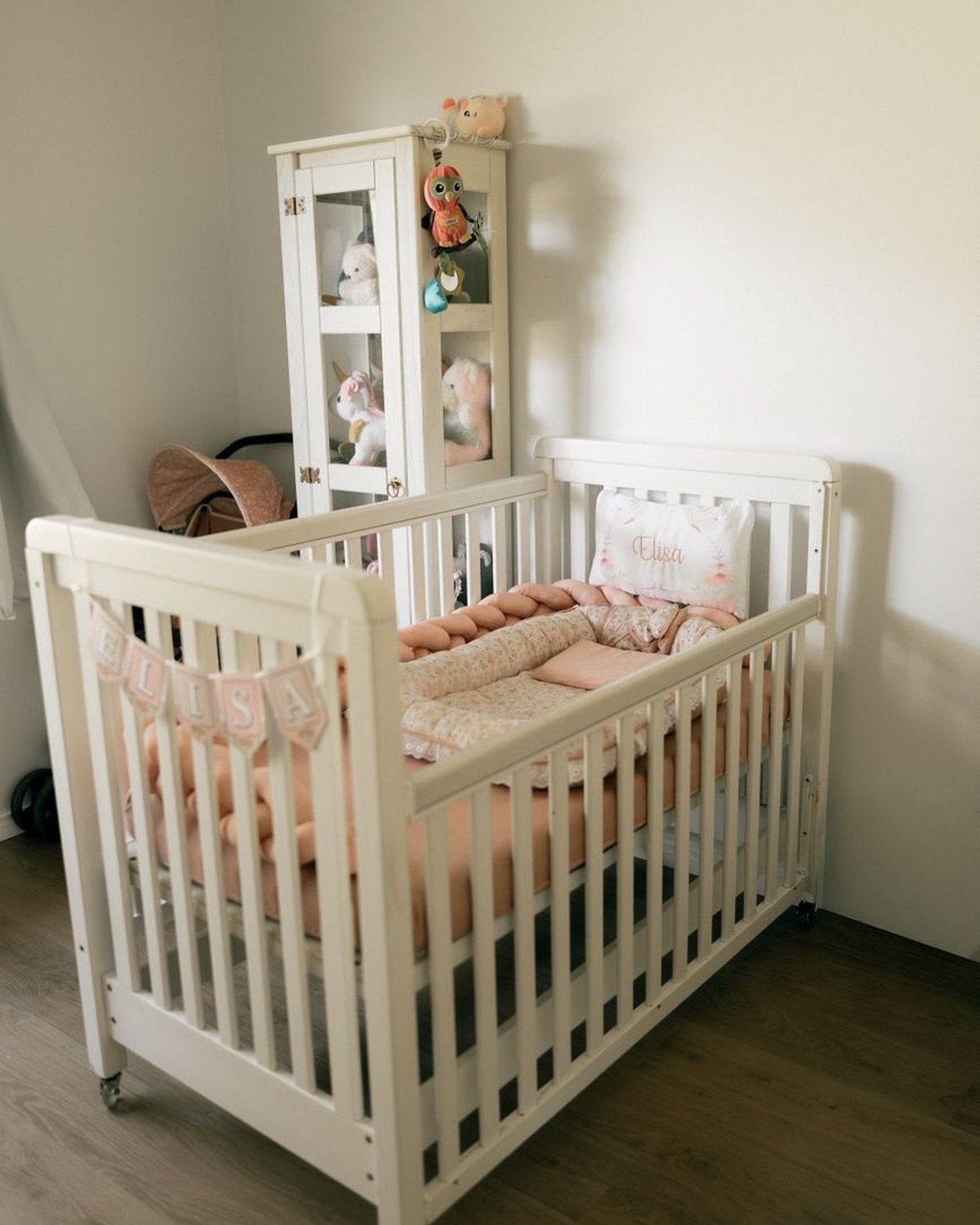
- Crib or bassinet: 15–25% — the piece that must be safe and well made. A crib is a converted bed and will be used for years.
- Mattress: 6–10% — firm, flat, correctly sized, with a tight fitted sheet. This is not the place to save $30.
- Glider or chair: 20–30% — the single largest discretionary line, and the one most likely to blow the budget. A chair that does not fit the room is a return, not a purchase.
- Dresser or storage: 10–15% — buy the storage you will still use in five years, not a changing table you will abandon in twelve months.
- Rug: 5–8% — washable matters more than pretty. Get the size right and the room looks finished.
- Lighting and sound: 4–8% — a dimmable light and a sound machine do more for your nights than any decorative item.
- Decor: 5–10% — the last line to fill, never the first. Prints and wall art can be added later, one at a time.
- Safety and practical extras: 5–10% — outlet covers, furniture anchors, a monitor if you need one, blackout solution.
Spend here (and do not negotiate with yourself)
- The crib mattress. It is the surface your baby sleeps on every night for years. Firm, flat, correct size for the crib — and it must fit the frame with no gaps.
- Anchoring hardware. Furniture tip-over is the risk nobody plans for. Anchor the dresser and the crib; the parts cost almost nothing and take twenty minutes.
- The chair — but only after you have measured. Tape the footprint on the floor before you buy. This one decision protects the rest of the budget.
Save here (without compromising safety)
- Skip the matching furniture set. A set is a premium for coordination. One well-made crib plus a plain dresser from anywhere costs less and looks calmer.
- Skip the changing table. A changing pad on top of the dresser you already bought does the same job and disappears when you no longer need it.
- Buy decor last — and slowly. Wall art, extra pillows and “styled” shelving are the most photographed and least used items in a nursery.
- Let the rug be washable, not precious. You will be cleaning it. A washable rug at a mid price beats an expensive one you are afraid to put on the floor.
What to buy before the baby arrives, in order
- Crib or bassinet + mattress + fitted sheets — the sleep space, complete and safe, before anything decorative.
- Storage and a changing surface — enough for clothes, diapers and wipes, without buying a dedicated piece of furniture.
- Blackout solution and a dim light — cheap, and they change your nights immediately.
- Seats and feeding spot — the chair, measured and checked against the room.
- Rug, decor, extras — after the baby arrives is a perfectly good time. You will also know better what you actually want.
Plain storage is where we would spend least and look at Aosom’s home goods first — and for the clothes line, Coco Moon’s baby essentials covers the basics without a matching-set premium.
Where most of these purchases come from
You do not need a specialty store for everything. Nursery furniture and rugs are the categories where a general home retailer and a dedicated brand are often the same product at different prices:
- Furniture, cribs, chairs: browse current nursery furniture and check dimensions — filter by the depth and width that fit your room before you look at anything else.
- Rugs: see washable and low-pile options — low pile is easier to clean and safer under a crawling baby than a deep shag.
- Wall art and prints: see print options — a good way to fill a large wall for the price of one framed print.
- Bedding and soft goods: see current sets — remember that loose blankets and bumpers do not belong in the sleep space, regardless of what a set includes.
What we would skip entirely
- Bumpers, positioners and pillows for the crib. They are not safe for sleep at any price, and no amount of styling justifies them.
- A second “just in case” mattress or a hand-me-down of unknown firmness. If you accept a used mattress, inspect it: flat, firm, no sagging, correct size.
- Anything you plan to use only for the first three months that costs more than the crib. Newborn gear is the fastest-depreciating purchase in the room.
Frequently asked questions
Is $1,500 realistic for a full nursery?
Yes, if the chair is chosen to fit the room and the decor is bought last. The budget breaks when the chair is bought first and measured afterwards.
Should I buy the crib new or used?
Used is fine if it meets current safety standards, has all its original hardware, and has no missing or modified parts. Check the manufacturer’s recall status before you buy, and never use a crib with a drop-side rail.
What is the one item worth upgrading?
The mattress. It is the surface the baby uses the most and the one where “firm, flat and correctly sized” is non-negotiable.
Prices, dimensions and availability are set by the retailer — always confirm them on the product page before you buy. This article is general information, not professional advice.